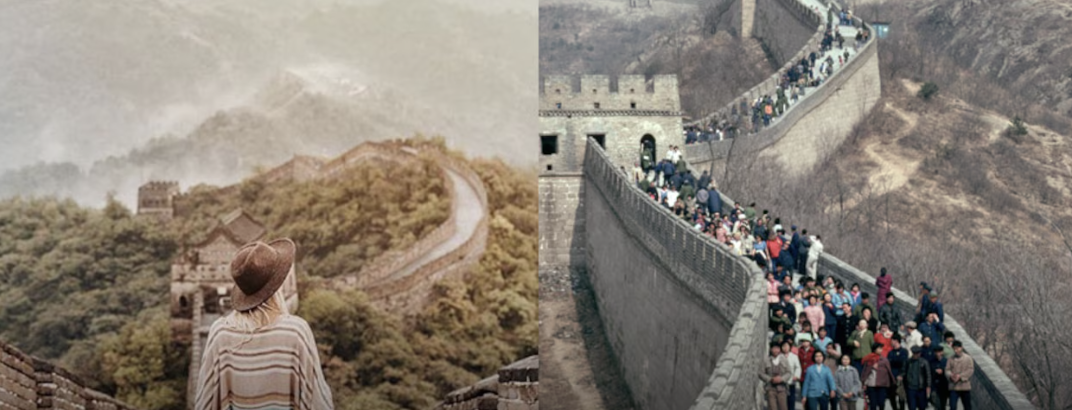
Picture a promo photo for a sea kayaking trip: glass-still water, an impossibly vibrant sunset, and one lone kayaker paddling toward the horizon in total solitude.
Now picture the real Tuesday tour: a fantastic morning on the water, a knowledgeable guide sharing local history, and a couple of friendly families paddling alongside you. It’s a great 5-star morning out. But because the photo promised a private, dreamlike paradise, the guest steps onto the water feeling just a tiny bit let down.
For years, tour operators have pushed the boundaries of marketing polish. But with generative AI, the gap between what providers promise and what real life can deliver has ballooned into a canyon.
Using AI, an activity host can generate a flock of leaping dolphins or an empty mountain peak in three seconds flat.
And right now? It works. But tour operators leaning on synthetic visuals are setting a trap for themselves—manufacturing high expectations that even their best real-world tours can’t beat.
The Data: Why Tour Operators Are Tempted
It’s easy to see why tour marketers are tempted by AI imagery. The data from a study by Talker Research shows just how dependent travelers are on visual proof:
- 74% of travelers won't book a trip or activity without seeing photos first.
- Visuals are the #2 driver of booking decisions (47%), second only to price.
- Only 5% of consumers can consistently tell real destination photos apart from AI-generated images.
- 52% of travelers confidently believe they can spot a fake image—even though 95% fail when tested.
If you are selling a $200 zipline tour, a $1,500 safari, or a guided city walk, you know that high-quality visuals drive conversions. When travelers can’t spot AI fakes, using AI to turn a rainy trail into a sun-drenched paradise feels like free money.
Except for one massive problem: Hotels sell a room, but tour operators sell an experience. And you cannot prompt-engineer real life.
The Unique Danger for Tour Operators
A hotel guest disappointed by a pool might still have a decent stay. But when a traveler books a tour based on a fabricated promise, the disappointment is instantaneous and total.
The research shows that 70% of travelers have arrived at a location that looked drastically different from promotional photos—and over 80% of them blamed AI or heavy digital manipulation.
When a guest arrives on your tour and realizes the "private, serene fjord cruise" is actually a crowded ferry with bad coffee, three things happen immediately:
- Expectation Shock: The emotional high of anticipation crashes into reality.
- Resentment: The guest feels intentionally tricked, not just unlucky with the weather.
- The Review Revenge: They take out their phone, open TripAdvisor, Google Reviews, or TikTok, and blast your business for false advertising.
Unlike a generic tourism board, tour operators live and die by reviews and direct ratings. One viral video showing "What the tour photos promised vs. what we actually got" can crush your booking engine for a season.
The Shift: Consumers Are Stress-Testing Your Tours
Travelers are getting smarter. Because they know AI images and hyper-edited promotional shots are everywhere, they are changing how they vet tour companies:
- 37% now search for recent, raw photos rather than polished campaign imagery.
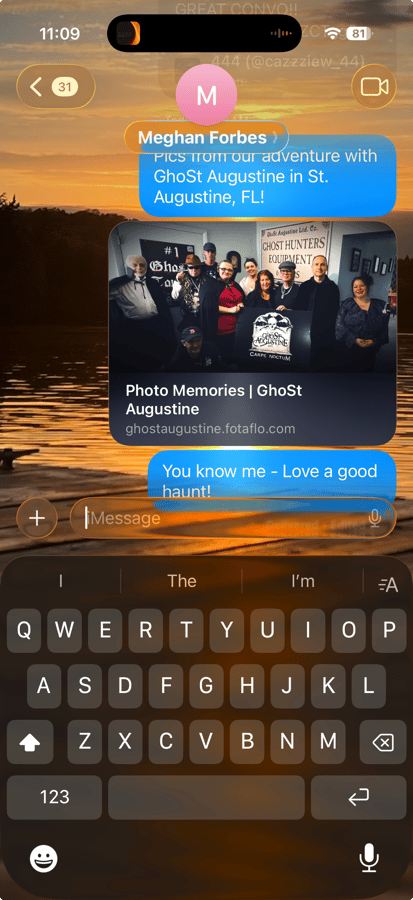
- 35% actively hunt for User-Generated Content (UGC)—demanding to see real guest photos taken on iPhone cameras.
- 38% skip marketing photos entirely and rely on direct recommendations or forum discussions.
Perfection has become a liability. When your tour landing page features flawless, studio-grade images that look like a Hollywood film set, modern consumers don't think, "Wow, looks great!" They think, "What are they trying to hide?"
How Tour Operators Can Win on Authenticity
If generative AI has made "perfection" cheap and fake, then raw authenticity is now your most valuable asset. Here is how forward-thinking tour operators can turn reality into a competitive advantage:
1. Show the "Real" Tour Day
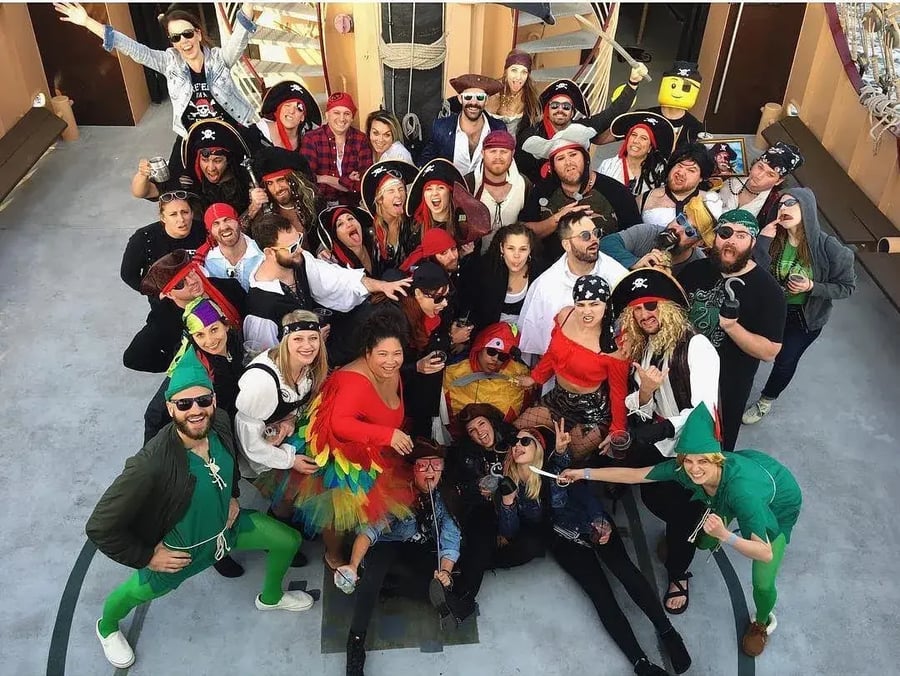
Don't hide the groups, the safety gear, or the weather. Show real people on your tours having fun—even when it's cloudy, even when there's mud, and even when there are other people around. Authenticity sets realistic expectations, leading to higher customer satisfaction and 5-star reviews.
2. Make User-Generated Content (UGC) Your Primary Hero Asset
Replace slick stock photos and AI-generated banners with real photos taken by real guides. A slightly grainy photo of a guest smiling while catching a fish will convert far better than an AI-generated image of a giant fish that no one on your tour will ever catch.
3. Adopt an "AI-Free / Real Experience" Guarantee
The study found that 70% of travelers would trust a brand more if it confirmed its photos were 100% real, and 52% said an "AI-free certification" could convince them to book.
Put a badge on your booking engine: "100% Real Tour Imagery. What You See Is What You Experience." In an era of online suspicion, that simple pledge builds instant trust.
The Bottom Line
Using AI to generate fake tour visuals might get you a booking today. But it will cost you five 1-star reviews, a chargeback, and a damaged reputation tomorrow.
Travelers aren't paying tour operators for digital perfection. They are paying for real memories, real guides, and real human experiences. Show them the real thing—because that’s the one thing AI will never be able to deliver.